Nature and geographyHawaii (United States)
Hawaii: why you can't take sand or rocks home
In Hawaii, taking sand and coral from beaches is illegal, and rocks can't leave the national parks either. Even so, many people mail them back.
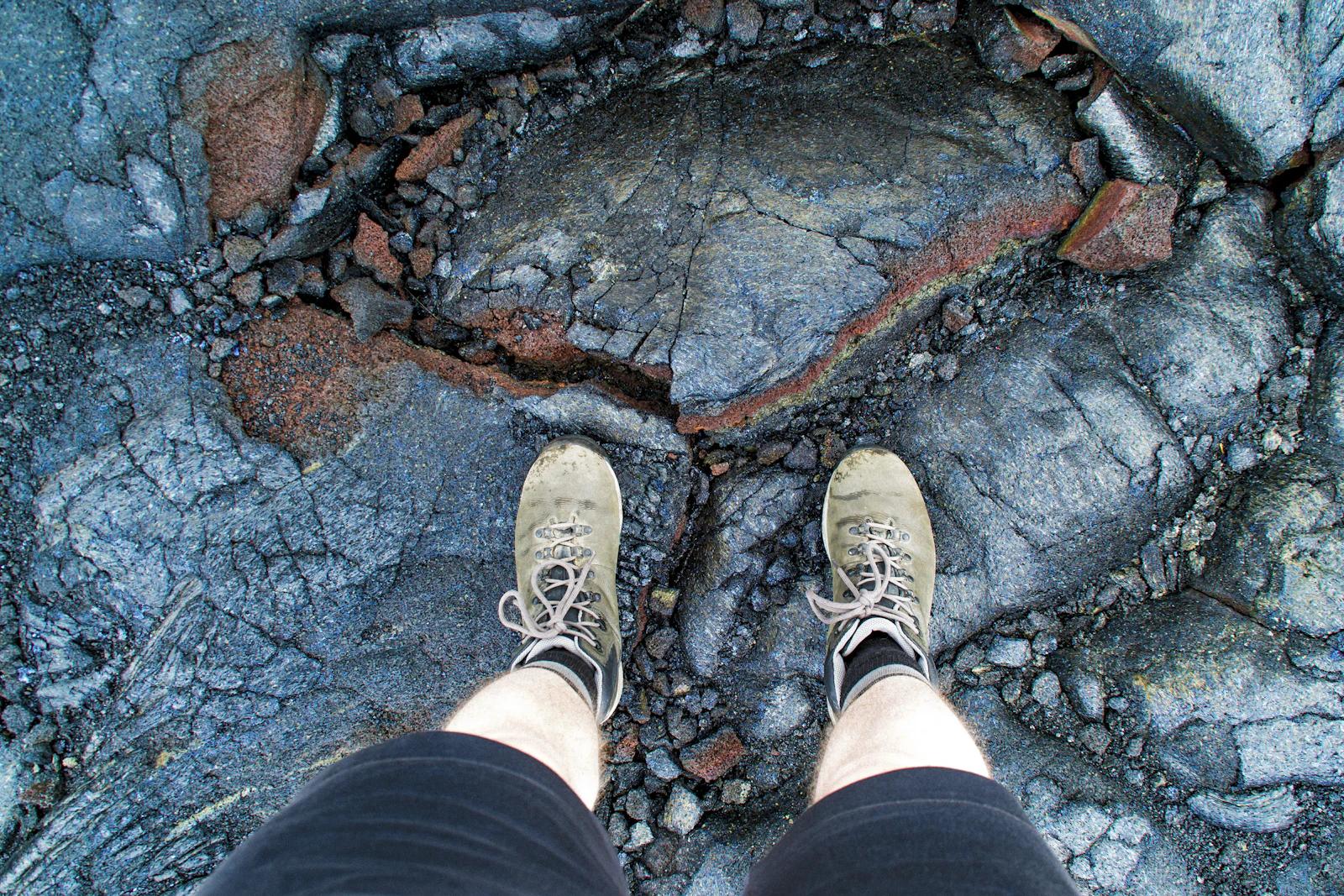
A little jar of beach sand seems like the most innocent souvenir in the world. In Hawaii, it's illegal. State law bans taking sand, dead coral and coral rubble from any beach in the islands. In Hawaii's two national parks, taking lava rocks is banned too.
People take them anyway. And some of them regret it and mail everything back.
What Hawaii's law bans
According to the Hawaii government's Division of Aquatic Resources, it's illegal statewide to take sand, dead coral or coral rubble, under two state laws, sections 171-58.5 and 205A-44 of the Hawaii Revised Statutes.
The official reason is environmental. Even dead coral and sand are part of the marine ecosystem, and removing them can upset the balance of the place they came from.
Not everything is off limits. Shells and beach glass, the shards polished smooth by the sea, can be collected. Only people gathering shells to sell need a commercial licence.
Lava rocks in the national parks
The most coveted volcanic rocks are in Hawaiʻi Volcanoes National Park, on the Big Island, and Haleakalā National Park, on Maui. There, the federal rule for US national parks applies, which bans removing or disturbing mineral resources from their natural state.
The rocks that come back in the mail
Every year, the two parks receive hundreds of rocks mailed back, according to Outside magazine, citing a report by SFGate. In 2013 alone, Haleakalā received 1,275 rocks.
Many arrive with letters. The senders describe bad luck they blame on the legend of Pele, the Hawaiian volcano goddess, which says anyone who takes a rock from the islands will be cursed. A 1994 book, "Powerstones: Letters to a Goddess", collected copies of these letters.
The state government sees the same thing. The Division of Aquatic Resources says it receives anonymous packages from time to time with sand and coral sent back by remorseful visitors.
Sending them back causes problems too
For the parks, returning the rocks doesn't fix anything. Rocks from elsewhere can carry bacteria and other microorganisms. In a 2017 post, Haleakalā said it puts returned rocks in a freezer for up to a month to kill microbes, according to Outside.
And the rocks don't go back where they came from. The park explained that it can't toss them back into the crater because that would confuse the geological story: nobody knows which part of the volcano each one came from.
A Haleakalā spokesperson summed it up to SFGate: the park would love people to stop taking rocks, and also to stop mailing them back.
On the way out, your bags get an agricultural check
Sand and rocks aren't the only souvenirs that can cause trouble. Anyone leaving Hawaii for the US mainland goes through an inspection by the US Department of Agriculture, the USDA, before boarding. According to the agency, all baggage going from Hawaii to the mainland, Alaska or Guam must be inspected, and travellers must present any food, plants or agricultural items to the inspector at the airport.
The reason mirrors the sand ban, in reverse: protecting the environment, this time on the mainland. According to the USDA, a single piece of fruit or a plant carrying an invasive pest can cause millions of dollars of damage to agriculture and nature.
The list of things that can't leave includes most fresh fruits and vegetables, berries of any kind, live insects and snails, soil, most plants in soil and some flowers, such as jade vine. Allowed after inspection are coconuts, coffee beans, roasted or green, commercially processed foods, fresh pineapple and some treated fruits, such as papaya, mango and lychee. Fresh flowers and leis are generally allowed, except citrus-related plants.
Practical tips
- Don't take sand or coral from Hawaiian beaches. It's against state law.
- In the national parks, leave lava rocks where they are.
- Want a natural souvenir? Shells and beach glass are allowed for personal use.
- Declare food and plants at the airport. Leaving Hawaii for the mainland, everything goes through USDA inspection.
- Already took one and regret it? The parks ask people not to mail rocks back, because they can't be put back in place.
FAQ
Is it illegal to take sand from Hawaii?
Yes. State law bans taking sand, dead coral and coral rubble from Hawaiian beaches.
Can I take lava rocks from Hawaii?
Not from the national parks, where federal rules ban removing mineral resources. On beaches, state law bans taking sand and coral.
Can I take shells from Hawaii?
Yes, for personal use. People collecting shells to sell need a commercial licence.
Can I take fruit from Hawaii to the mainland?
Most fresh fruit can't leave Hawaii. Fresh pineapple, coconuts and some treated fruits, such as papaya and mango, are allowed after USDA inspection at the airport.
What is Pele's curse?
It's a popular legend that says anyone who takes rocks or sand from Hawaii will have bad luck. Because of it, many visitors mail rocks back.
Rules that seem strange to tourists exist elsewhere too. In Singapore, for example, selling chewing gum is banned.
Sources
- Visitors have second thoughts, return sand and coral, Division of Aquatic Resources, Hawaii Department of Land and Natural Resources, March 15, 2023: the state ban, the laws cited, the mailed-back packages and the allowance for shells and beach glass.
- Let's All Agree to Stop Stealing Hawaii's Lava Rocks, Outside: rocks returned to both parks, the 2013 figure at Haleakalā, the spokesperson's comments to SFGate, the freezer, the crater and the book of letters.
- Information for Travelers From Hawaii to the U.S. Mainland, Alaska, or Guam, USDA APHIS: mandatory baggage inspection and what's prohibited and allowed.
- 36 CFR 2.1, US Code of Federal Regulations: the ban on removing mineral resources from national parks.
Keep reading
Nature and geographyIsrael and Jordan
Why the Dead Sea is shrinking
The Dead Sea drops more than a metre a year and has lost a third of its surface. What drains it, why sinkholes open and what it means for visitors.
Nature and geographyAustralia
Why Australia’s famous pink lake lost its colour
Lake Hillier had been bubble-gum pink for centuries. A storm in 2022 changed that. What makes a lake pink, and whether the colour will come back.
Nature and geographyIceland
Iceland had no mosquitoes. Until October 2025
For centuries, Iceland was one of the last places on Earth without mosquitoes. In 2025, the first ones turned up. Why it took so long, and what it means.