Off the beaten pathFaroe Islands
Faroe Islands: the archipelago that closes for maintenance
Every year, the Faroe Islands close tourist sites for a weekend and invite volunteers to fix them. How it works, and how to get one of the spots.
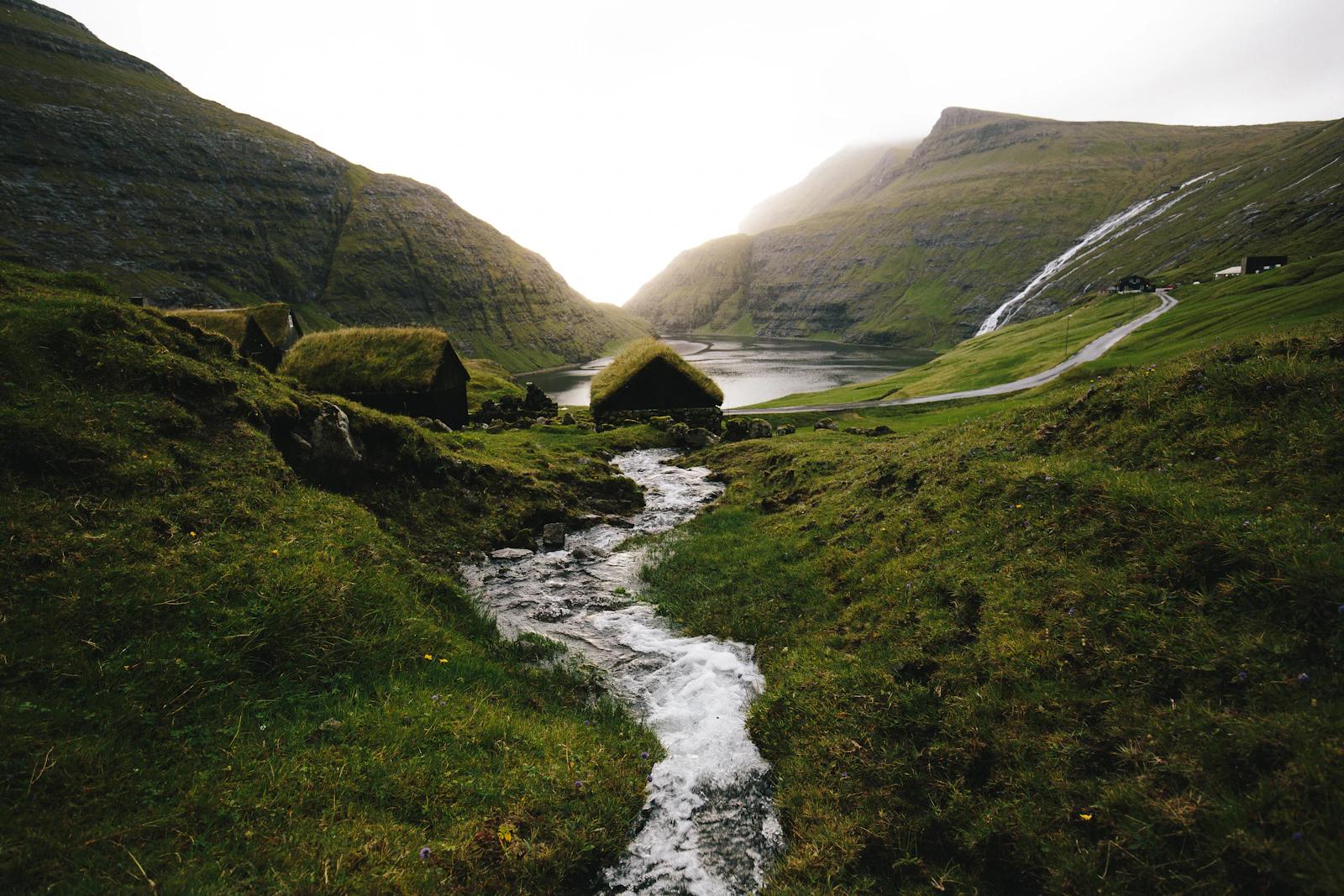
In April 2019, the Faroe Islands announced they were closing. Not the whole archipelago, but eleven of their most visited sights, for one weekend. The “closed for maintenance” notice came with an invitation: anyone who wanted to could fly in and help repair trails, put up signs and build viewpoints. The prime minister at the time, Aksel V. Johannesen, joined the campaign by inviting volunteers himself.
It worked so well that it became an annual event. Since 2019, the “Closed for Maintenance” campaign, run by the islands’ tourism board, has drawn more than 44,000 applications, and only a small share of applicants ever get a spot.
Why close at all
The Faroes are an archipelago in the North Atlantic, between Scotland and Iceland, with sea cliffs, waterfalls and small villages. Visitor numbers grew, and some of the most photographed places began to feel it. The tourism board says the natural environment at these sites is fragile and came under pressure from rising visitor numbers. The goal was to keep safe access to nature while preventing the erosion that heavy foot traffic causes.
Rather than simply restricting visits, the idea was to make tourists part of the fix. Locals and municipalities pick the places that need work, and volunteers do it alongside people from the islands.
What volunteers actually do
Each edition has several projects spread across the islands. In Gjógv in 2019, a new timber staircase replaced an eroded path to a popular viewpoint. On the island of Nólsoy, volunteers built a bridge on the path to the lighthouse. In Leirvík in 2023, the work centred on Viking ruins, to make them more accessible. In 2024, one project helped restore degraded landscapes by stopping soil erosion and restoring wetlands.
By 2026, there had been 72 projects at 46 different sites on 12 islands. A total of 754 foreign volunteers from more than 54 countries and all six inhabited continents took part, working alongside 279 volunteers from the Faroes.
The tourism board admits the job will never be finished: nature keeps changing, and every piece of infrastructure needs ongoing care.
For those who take part, it’s more than a holiday. Geraldine Boland, a 2022 volunteer from Ireland, said in a testimonial published by the tourism board that she wanted to be part of regenerative tourism: not to arrive just as a consumer, but to “leave something behind.” In 2023, the Faroese national broadcaster, Kringvarp Føroyar, made a documentary about the project.
How to get a spot
It’s competitive. Of 44,625 applicants up to 2026, 754 foreigners took part, less than 2% of the total. Each year, organisers pick between 80 and 100 volunteers. About 70% of spots are drawn at random, and the rest go to journalists, photographers and people with specific skills that help the projects. Most applicants come from the Nordic countries, the rest of Europe and the United States.
If you’re picked, you only pay for your flights to the Faroes. During the maintenance period, the organisers cover accommodation, food and transport.
The campaign was a hit with the advertising world too: it won 12 gold Lions at the Cannes Lions festival, among other international awards.
The sustainability fee, since 2026
Volunteering wasn’t the islands’ only answer to rising tourism. In May 2024, the Faroese parliament passed a sustainable tourism law. It sets the conditions for hiking across the islands, says when tourists must pay to use trails and created an accommodation fee.
The fee took effect on February 1, 2026. Visitors aged 16 and over staying in paid accommodation pay 20 Danish kroner per night, capped at 200 kroner per stay. It also applies to leisure boats, sail and motor. Each accommodation provider decides how to collect it.
The money goes into a government-managed fund and, according to the Faroese government, is earmarked for maintaining trails, tourism planning and better conditions for visitors.
Trails that charge for access
Many of the Faroes’ best-known trails cross private land, and the owners charge for access. The tourism board lists some fees, with a warning that the new law will change the rules for them:
- Kallur Lighthouse, on Kalsoy: 200 kroner per adult and 100 kroner for ages 13 to 17, without a guide. Under-13s go free. Cards accepted on site.
- Trælanípa, the famous “lake above the ocean,” on Vágar: 200 kroner per person without a guide, or 450 kroner per adult with a guide and an information leaflet. There are three guided hikes a day, at 9:00, 12:00 and 15:00. The walk takes about 45 minutes each way and is five minutes’ drive from the country’s only airport.
- Drangarnir, the two sea stacks off Vágar: guided only, at 600 kroner per person, on Wednesdays, Saturdays and Sundays from April 1 to October 1.
- Villingardalsfjall, from the village of Viðareiði: 200 kroner per person, without a guide, dropped into a mailbox by the gate to the trail. To continue to the Enniberg cliff, you must book a guide.
Want to take part?
- Sign up for the Visit Faroe Islands newsletter to hear when “Closed for Maintenance” registration opens.
- Apply knowing it’s mostly a lottery. Most spots don’t depend on your CV.
- If you have a useful skill, such as photography or trail work, say so in your application: some spots are reserved for specific profiles.
- Budget for the sustainability fee: 20 kroner a night, up to 200 per stay, for over-16s.
- Check trail fees before you go. Under the new law, prices may change.
- Stick to the marked trails, which is exactly what the campaign is trying to protect.
FAQ
What is the Faroe Islands’ “Closed for Maintenance”?
It’s an annual campaign, launched in 2019, in which some tourist sites close for a weekend so that foreign volunteers and locals can carry out repairs.
How can I volunteer in the Faroe Islands?
Registration opens through Visit Faroe Islands. About 70% of spots are drawn at random, and the rest go to specific profiles. If you’re picked, you only pay for your flights.
Is there a tourist tax in the Faroe Islands?
Yes. Since February 1, 2026, visitors aged 16 and over in paid accommodation pay 20 Danish kroner per night, capped at 200 kroner.
Do you have to pay to hike in the Faroe Islands?
On some trails, yes. Famous hikes on private land, such as Kallur Lighthouse and Trælanípa, charge between 200 and 600 kroner, depending on the place and whether a guide is included.
The Faroes’ approach is different from Venice’s, which charges day-trippers to thin the crowds. Both charge at the door; only one also hands visitors a shovel.
Sources
- Why close the Faroe Islands for maintenance, Visit Faroe Islands: the first edition in April 2019, the eleven closed sites, the prime minister’s invitation, how it works and the awards.
- Facts & figures, Visit Faroe Islands: figures up to 2026, project examples and the selection process.
- Faroese Parliament Enacts Law to Promote Sustainable Tourism, Government of the Faroe Islands, May 23, 2024: the sustainable tourism law, the hiking rules and how the fee income is used.
- Sustainability Fee, Visit Faroe Islands: the February 1, 2026 start date, the amount, the cap, leisure boats and the fund.
- Hiking Fees in the Faroe Islands, Visit Faroe Islands: the fees for Kallur, Trælanípa, Drangarnir and Villingardalsfjall and the note about the new law.
Keep reading
Off the beaten pathBelgium and the Netherlands
Baarle: the town where the border runs through houses
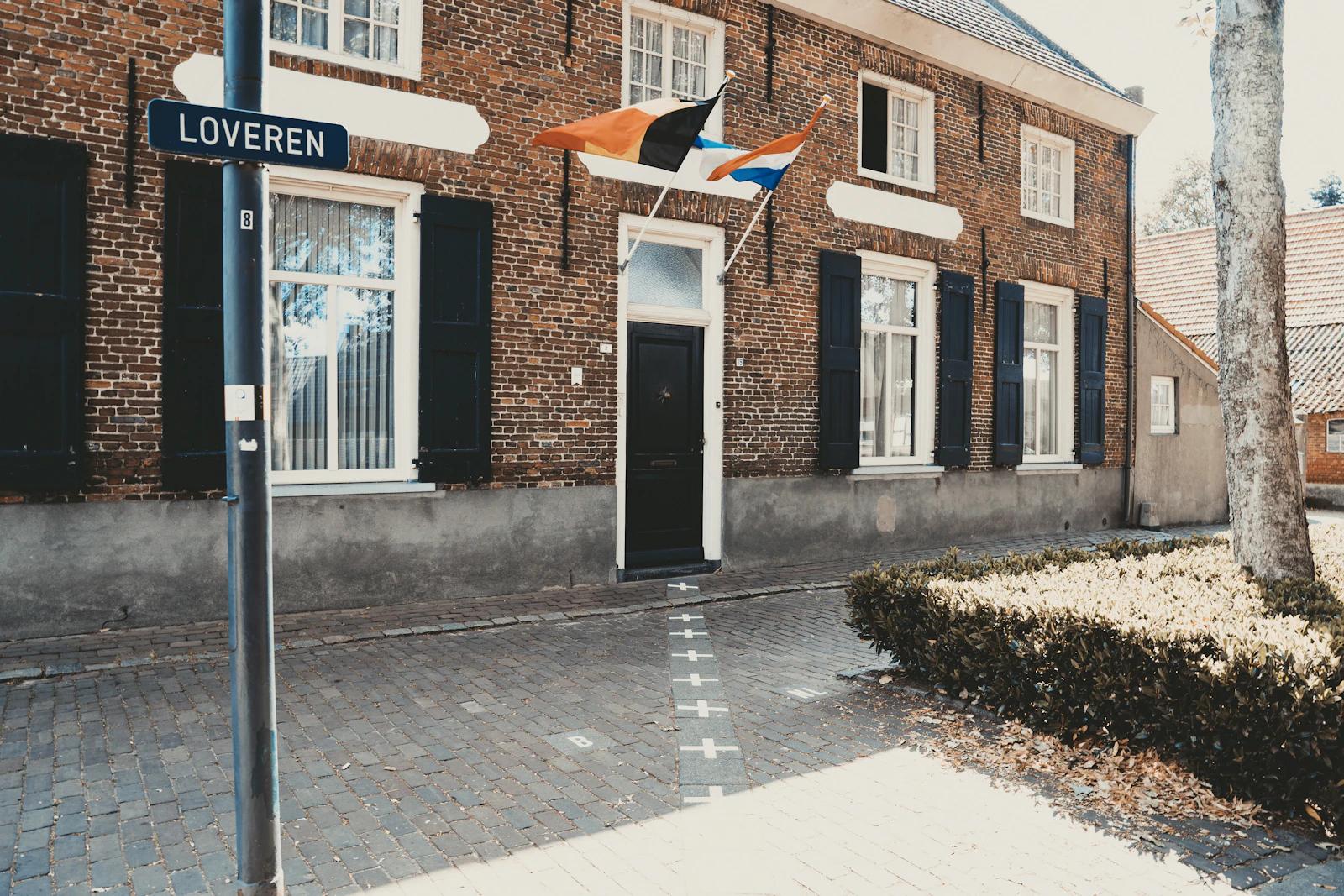
In Baarle, Belgium and the Netherlands are tangled in dozens of enclaves. The border cuts through homes and cafés, and the front door sets the address.
Off the beaten pathPortugal
Monsanto, Portugal: the village built between boulders
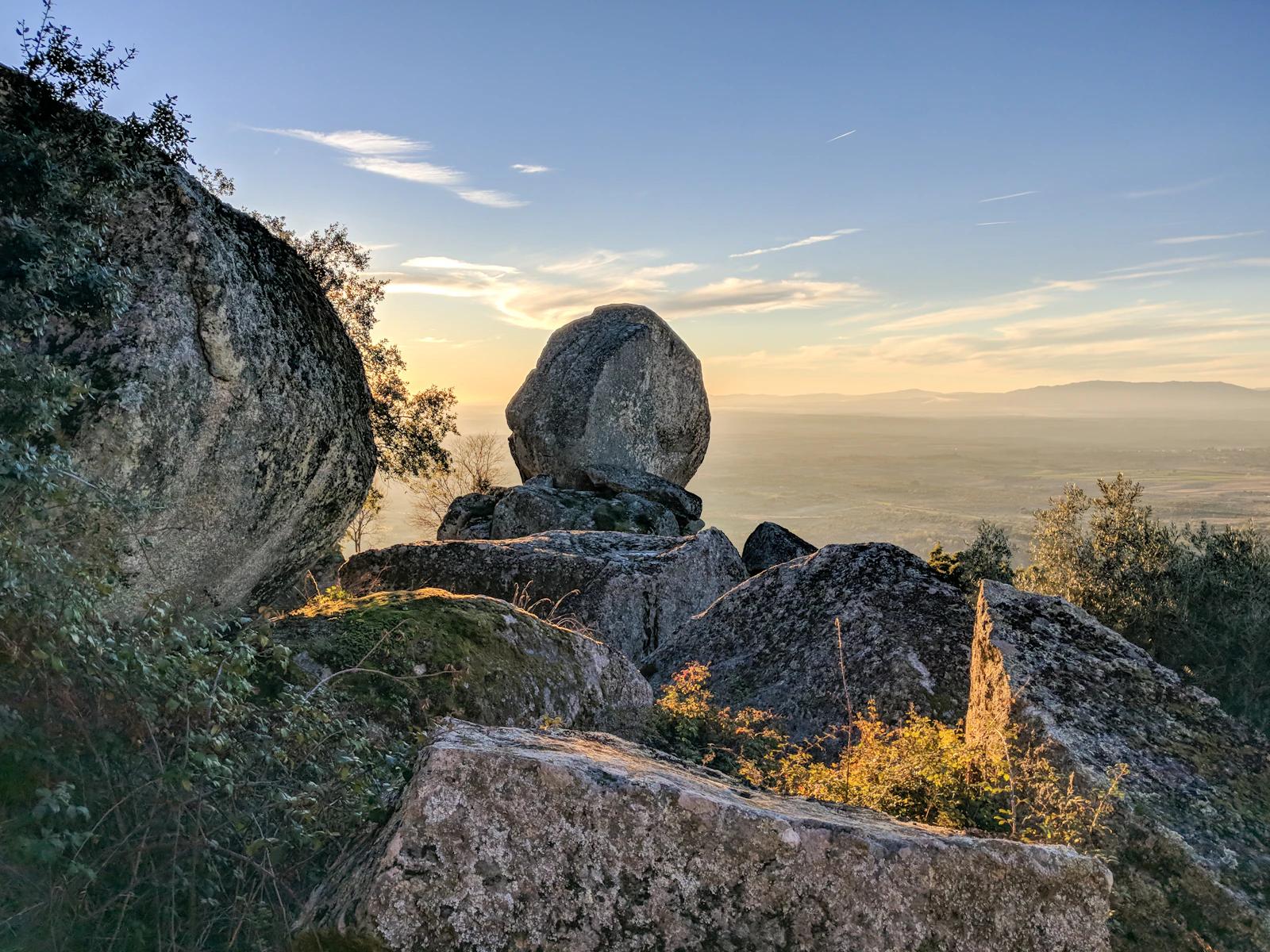
In Monsanto, granite boulders serve as walls and even roofs. Why the village was built this way, the story of its 1938 title and how to visit.
Off the beaten pathWorldwide
Places that limit tourists: quotas, time slots and bans
Kyoto closed alleys, Machu Picchu has a daily cap and Maya Bay shuts for two months a year. The rules in each place and how to plan so you don’t miss out.