Off the beaten pathPortugal
Monsanto, Portugal: the village built between boulders
In Monsanto, granite boulders serve as walls and even roofs. Why the village was built this way, the story of its 1938 title and how to visit.
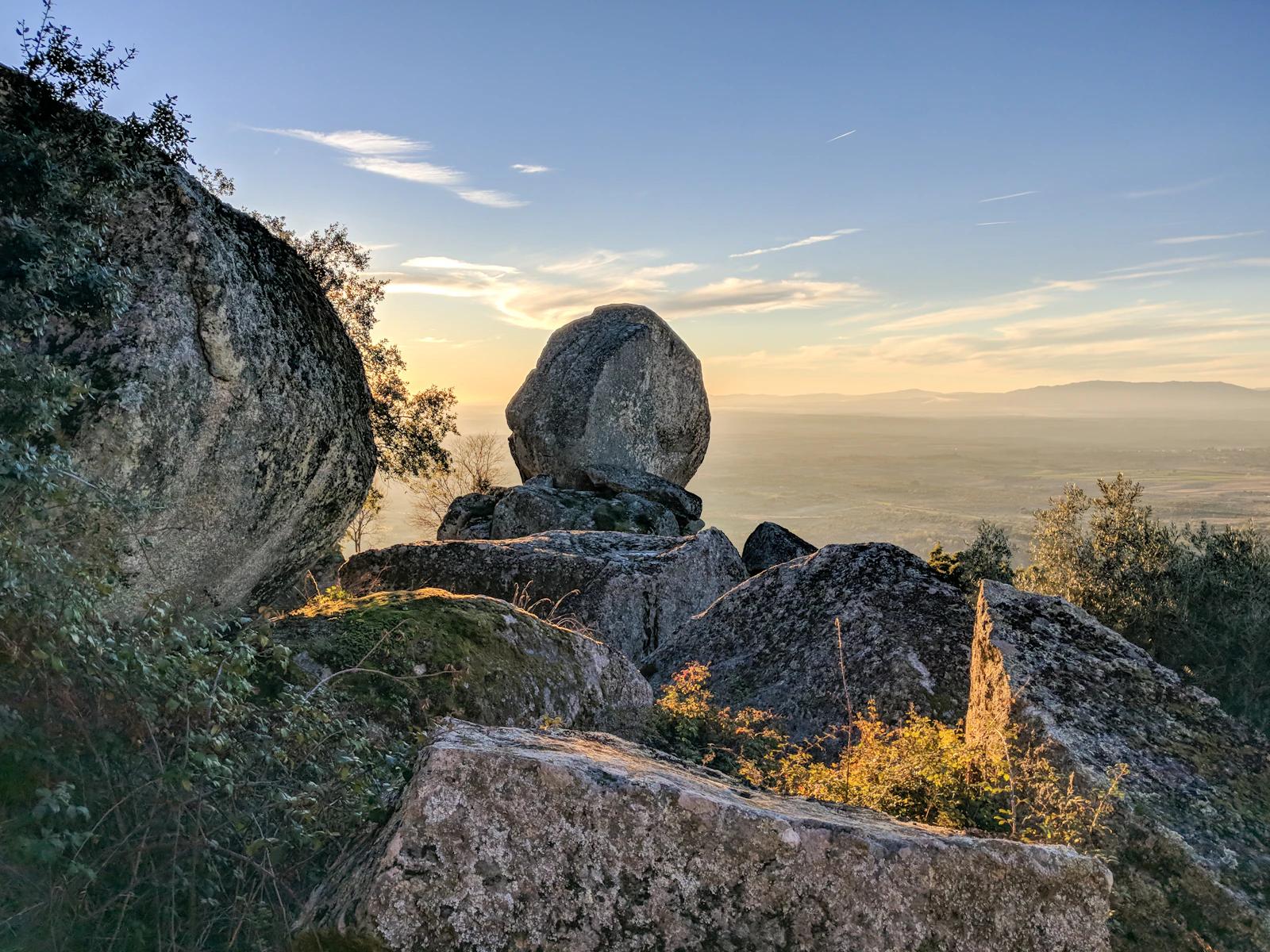
Monsanto is a village in inland Portugal, in the municipality of Idanha-a-Nova near the Spanish border, where the houses are wedged between giant granite boulders. Instead of clearing the rocks, the people who built it used them. One boulder becomes a wall, another a garden fence, and in a few cases a single block of stone does the job of a roof. Locals call these the “houses with a single tile”.
The village sits 758 metres up, on a hill that rises abruptly out of the Beira Baixa plain. It has a Templar castle, streets that are really staircases, and an odd distinction: in 1938 it was named “the most Portuguese village in Portugal”.
Why the houses sit between the rocks
Monsanto’s hill is covered in rounded granite boulders, some the size of a house. Building there meant making a choice, and the simplest explanation is a practical one. Moving rocks that big with pre-industrial tools was enormous work; building around them saved stone, mortar and labour.
The result is architecture where it’s hard to tell where nature stops and construction begins. Portugal’s official tourism site describes a settlement that climbs the slope using granite blocks as house walls, sometimes with a single block as the roof. Walking up towards the castle, you pass doors set straight into the rock and houses with a boulder resting on top.
The granite also explains the colour. Nearly everything is grey, from walls to paving, which makes the painted doors and window frames stand out.
A hill fought over since the Middle Ages
A lone hilltop always had military value. According to the Historic Villages of Portugal network, Afonso Henriques, Portugal’s first king, took Monsanto from the Moors and gave it to the Knights Templar in 1165. The Templar master Gualdim Pais had the castle built. The village received its first charter in 1174, confirmed by later kings, and Manuel I granted a new one in 1510.
The castle held out through centuries of sieges but not through an accident. In 1815 lightning struck its gunpowder store, and the explosion destroyed much of the fortress. What remains are walls and ruins at the summit, with a wide view over the plain.
The 1938 title
In 1938 the National Propaganda Secretariat of Salazar’s Estado Novo dictatorship, run by António Ferro, held a contest to find “the most Portuguese village in Portugal”. The stated aim was to find the place that had best resisted “foreign influences” and preserved its traditional character in the purest form. In the final, on 11 October, Monsanto beat Carrazedo de Bucos and Paul and won the Silver Rooster trophy. A replica still stands on top of the Lucano clock tower.
The contest was meant to be repeated but never was, so the title stuck. It’s worth reading with its context: this was a propaganda exercise by an authoritarian regime, with a narrow idea of national identity. It did put Monsanto on the map, though. In 1995 the village joined the Historic Villages of Portugal network.
A village that lost its people
The census tells the other half of the story. The old parish of Monsanto had 3,846 residents in 1950 and 829 in 2011, according to Portugal’s statistics institute. That’s the story of much of inland Portugal, emptied by migration to the cities and abroad. In 2013 the parish was merged with neighbouring Idanha-a-Velha.
For visitors, that means a quiet, beautiful village with many houses shut up or turned into guesthouses. Staying the night, rather than passing through for an hour, makes a real difference to the people who still live there.
Visiting Monsanto
- Drive. Monsanto is deep inland and public transport is limited. The nearest large town is Castelo Branco.
- Wear proper shoes. The streets are steep and stony, and the climb to the castle is hard work.
- Go up late in the day. For me, sunset from the castle walls is the best time to be there.
- Consider early May. The Festival of the Holy Cross falls on 3 May or the following Sunday, with processions, square frame drums called adufes, and marafonas, the region’s traditional rag dolls.
- Add Idanha-a-Velha. The neighbouring village is also on the Historic Villages list and only a short drive away.
Monsanto isn’t a museum town put together for visitors. It’s a practical answer from people who needed to live on a hill of boulders and chose not to fight them. If villages trying to hold on to their residents interest you, the story of Italy’s one-euro houses is a good companion read.
FAQ
Where is Monsanto?
In the municipality of Idanha-a-Nova, Castelo Branco district, in central Portugal near the Spanish border. It’s not the Monsanto park in Lisbon.
What are the “single tile” houses?
Houses where one granite boulder covers all or part of the roof. The name is a joke: the “tile” is an entire rock.
Why is it called the most Portuguese village in Portugal?
It won a contest with that name in 1938, run by the Estado Novo’s National Propaganda Secretariat. The contest was never held again.
Can you visit Monsanto as a day trip from Lisbon?
You can, but it’s a long day, with several hours of driving each way. Staying overnight in the village or the region makes for a far better visit.
Sources
- Monsanto, Historic Villages of Portugal: the 1165 gift to the Templars, the castle built under Gualdim Pais, the charters, the altitude, the 1938 title, the 1995 listing and the May festival.
- Monsanto, Visit Portugal, official tourism site: location, the houses built into granite, the Lucano tower and the 3 May festival.
- Aldeia de Monsanto ou “Monte Santo”, Centro de Portugal Tourism: the origin of the name, the single-tile houses, the marafonas and the festival date.
- O dia em que a Aldeia Histórica de Monsanto se tornou também a Aldeia Mais Portuguesa, Historic Villages of Portugal, 2019: the 1938 contest, its criteria, the finalists and the date of the award.
- Monsanto (Idanha-a-Nova), Wikipedia (Portuguese): the 1815 explosion, census figures from Portugal’s statistics institute and the 2013 parish merger.
Keep reading
Off the beaten pathBelgium and the Netherlands
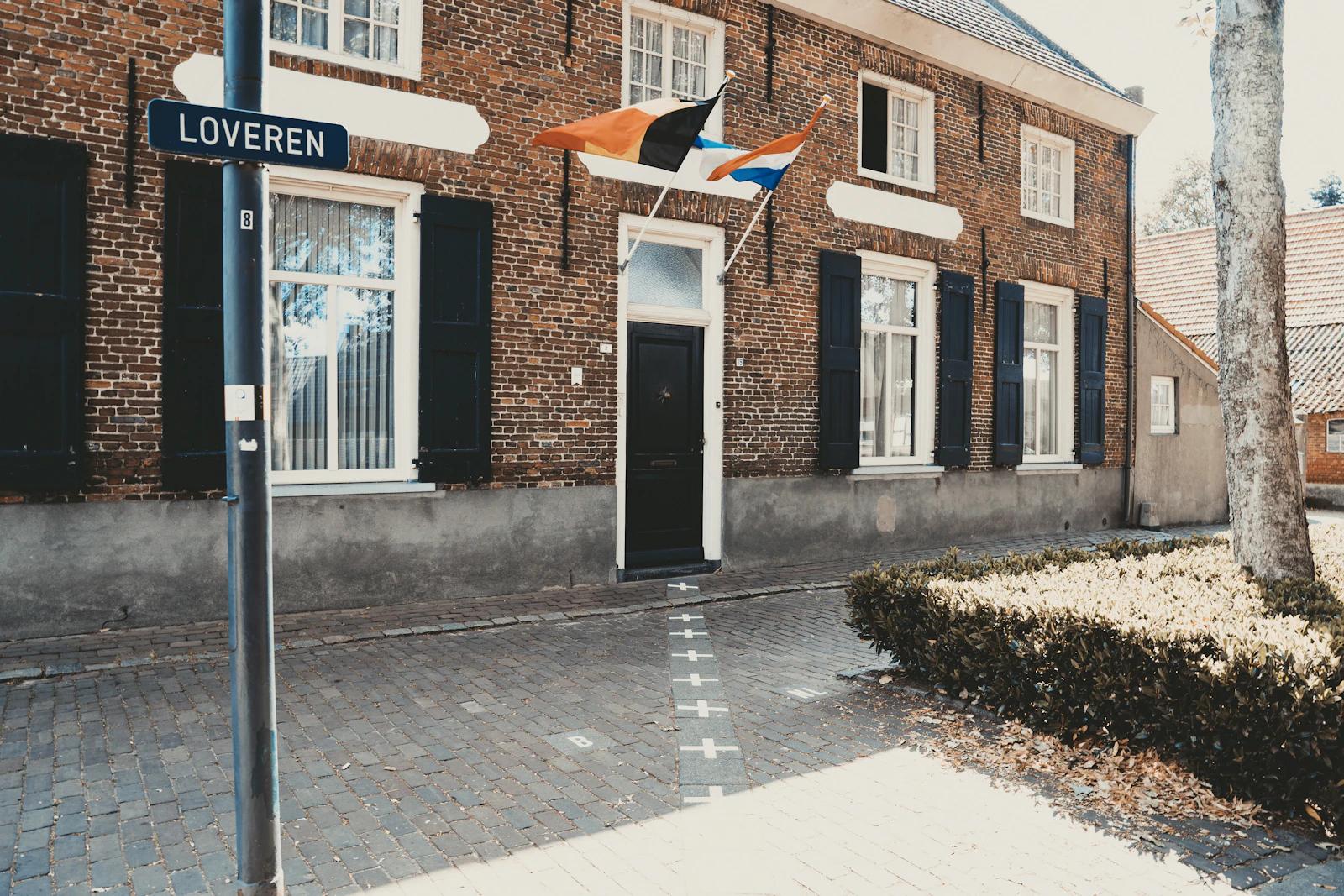
Baarle: the town where the border runs through houses
In Baarle, Belgium and the Netherlands are tangled in dozens of enclaves. The border cuts through homes and cafés, and the front door sets the address.
Off the beaten pathWorldwide
Places that limit tourists: quotas, time slots and bans
Kyoto closed alleys, Machu Picchu has a daily cap and Maya Bay shuts for two months a year. The rules in each place and how to plan so you don’t miss out.
Off the beaten pathFaroe Islands
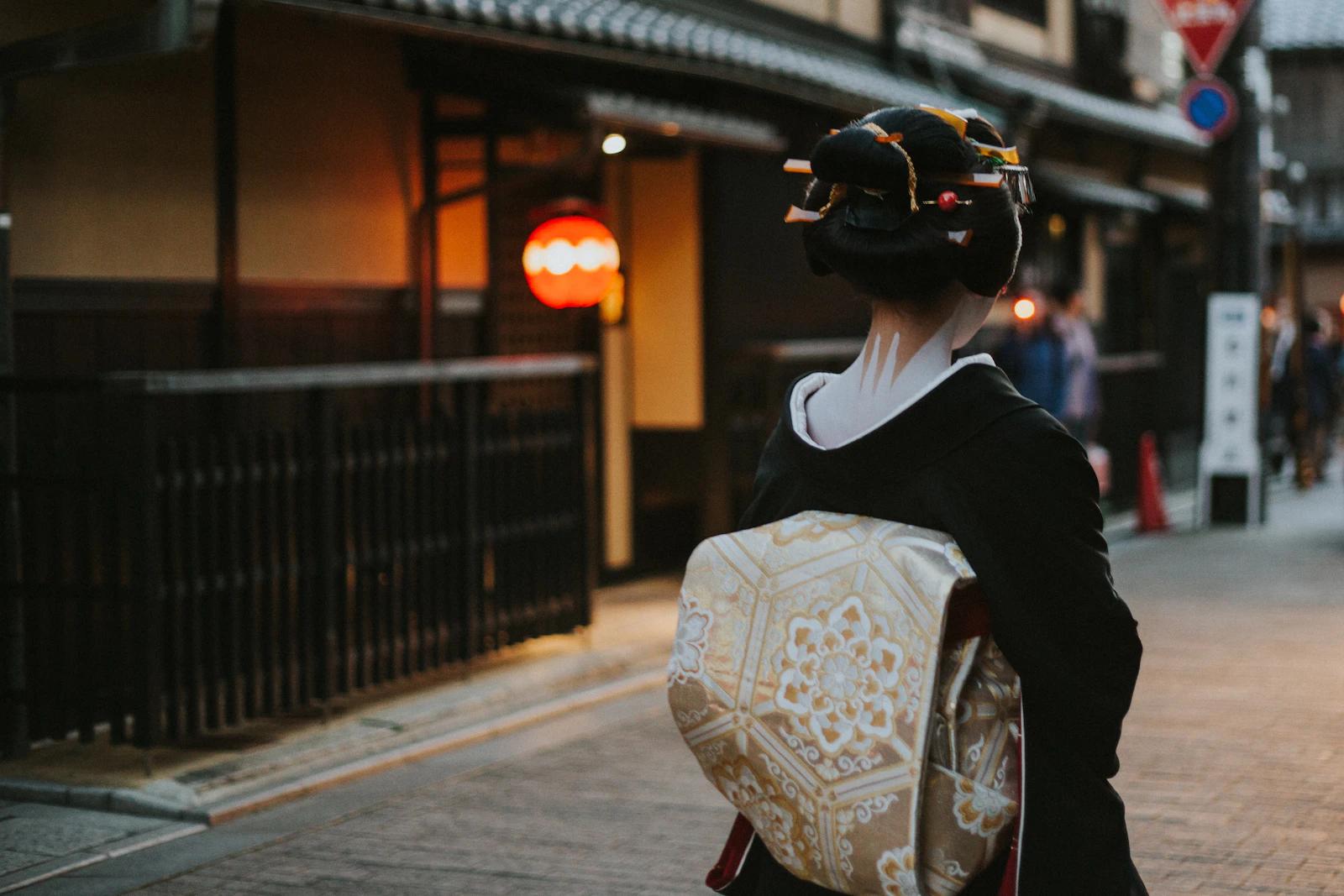
Faroe Islands: the archipelago that closes for maintenance
Every year, the Faroe Islands close tourist sites for a weekend and invite volunteers to fix them. How it works, and how to get one of the spots.