Off the beaten pathItaly
Italy’s one-euro houses: the rules, the costs and the catch
The one-euro houses are real, but the price is only the start. What towns require, what renovation tends to cost and what to check before you buy.
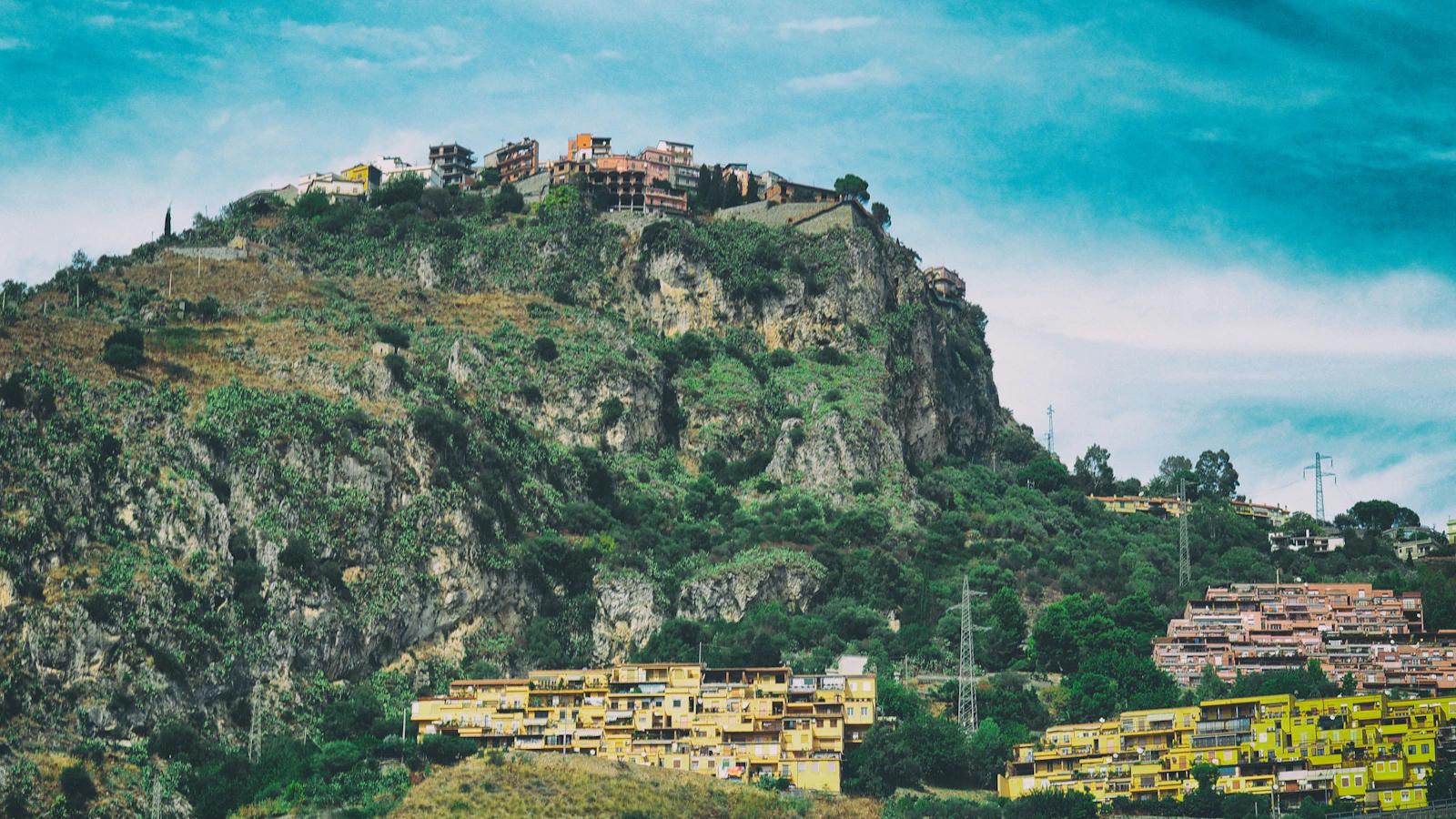
The headline comes around every so often and always gets clicks: an Italian town is selling houses for one euro. The offer is real. Dozens of towns, mostly in Sicily, Sardinia and the mountainous parts of central and southern Italy, have put homes on the market at that price. Sambuca di Sicilia made news around the world in 2019, and names like Mussomeli, Salemi and Ollolai keep showing up on the lists.
What the headline leaves out is that the euro is the cheapest part of the deal.
Why a town would sell houses for one euro
These towns have been losing people for decades. Young people left to study and work in big cities or abroad, older residents passed away, and the houses in the historic centers were shut up. Many are in poor shape, some at risk of collapse, and the heirs, when there are any, have no interest in fixing them.
For the town hall, an abandoned house is a problem: it spoils the streetscape, poses a hazard and brings in no residents. Selling it for one euro hands it to someone willing to restore it. The sale price barely matters to the town. What it wants is the renovation, a new resident and the activity that comes with them.
What the contract usually includes
The rules vary from town to town, and they change over time. Buyers usually commit to something like this:
- Submit a renovation plan within a short window, often a year from the purchase.
- Finish the work in about three years.
- Put up a guarantee, as cash or a bank guarantee, which comes back once the renovation is done. In Sambuca di Sicilia and Mussomeli, for example, it is 5,000 euros. Miss the deadline and you lose it.
- Cover the purchase costs: notary, registration and taxes, which add up to a lot more than one euro.
Some towns go further. Sambuca’s 2019 call required buyers to spend at least 15,000 euros on the work. In some places, one euro is just the opening bid at an auction. When interest is high, the final price climbs.
The bill nobody puts in the headline
The real cost is the renovation. These are old houses, some closed for decades, that may need a new roof, new wiring and plumbing, and structural work. In Sambuca di Sicilia, according to the Italian news agency ANSA, buyers should expect to spend at least 30,000 euros, and many projects reach 200,000. The figure depends heavily on the state of the building and on the preservation rules in the historic center.
Then there is the time. Building work in small towns depends on local labor, permits and paperwork that can be slow going if you don’t speak Italian. Foreigners buying property in Italy also need a codice fiscale, the Italian tax identification number.
And the bill doesn’t stop when the builders leave. A house that isn’t the owner’s main residence pays IMU, the municipal property tax, every year. Add electricity, water and gas, which often have to be reconnected from scratch, plus insurance. If it’s a holiday home that sits empty for much of the year, set some money aside for upkeep as well: damp and roofs tend to punish owners who stay away too long.
None of this makes it a bad deal. If you want a holiday home or plan to move to rural Italy, the total can still come in well below buying a finished house somewhere well known. It just isn’t the steal the headline suggests.
Did it work? What happened in Sambuca and Mussomeli
The idea isn’t new. According to ANSA, it was launched in 2008 by Vittorio Sgarbi, then mayor of Salemi, also in Sicily. What took it global was Sambuca di Sicilia, in 2019.
That year, Sambuca put 16 houses in its historic center up for sale at one euro each, with a 5,000-euro deposit and an obligation to renovate within a few years. Demand was huge, especially from North Americans. In 2021 came a second round, of two-euro houses, with another 15 or 16 properties. In 2024, a third round, at three euros, also sold out. According to studies cited by ANSA, the three rounds brought more than 21 million euros of renovation work to the town. Some houses became guesthouses; some American buyers now spend half the year there.
Mussomeli, in the province of Caltanissetta, took a different approach. In an interview with the property portal idealista in April 2024, mayor Giuseppe Catania said around 450 sales had been completed. One important detail: there, the houses belong to private owners, not the town. The town hall acts as a go-between and promotes the properties on its own website.
Both cases show the scheme can work for the town. For the buyer, the result depends on the renovation bill and on what they expect from life in a small town.
Before you get excited
If the idea appeals to you, a few steps can save some disappointment:
- Go to the town’s official website (the comune). That is where the current rules, deadlines and list of available houses live. Third-party sites often repeat outdated information.
- Visit before you make any offer. A photo of the front door won’t show the crack in the ceiling.
- Get a renovation estimate from a local architect or geometra, the professional who handles this kind of survey in Italy.
- Think about what comes after. Small towns have few services, limited transport and, sometimes, very few people around in winter. That can be the appeal or the problem, depending on what you’re after.
FAQ
Are Italy’s one-euro houses real?
Yes. Dozens of Italian towns have sold properties for that price, but buyers must commit to renovating, and the work costs far more than the house.
Can foreigners buy a one-euro house in Italy?
Yes. You need a codice fiscale, Italy’s tax identification number, and must follow the rules of the town’s call for buyers.
How much does it cost to renovate a one-euro house?
It depends on the property. In Sambuca di Sicilia, the estimate is at least 30,000 euros, and many projects reach 200,000, according to ANSA.
How long do you have to renovate?
Usually about three years, with a project submitted in the first year. Buyers who miss the deadline lose their deposit, which is 5,000 euros in Sambuca and Mussomeli.
Where can I find one-euro houses in Italy?
On each town’s official website, the comune, which publishes the calls and the list of properties. Mussomeli promotes its houses on a dedicated site.
The one-euro house is real. In practice, it’s a renovation contract with a town that wants neighbors again.
Sources
- Le vendite delle “case a 1 euro” funzionano, Il Post, 2019 (in Italian): the terms of Sambuca di Sicilia’s call (a 5,000-euro deposit, at least 15,000 euros of work and a three-year deadline).
- Case a 1 euro in Italia: guida completa 2026 per stranieri, Impatria, 2026: guarantees, deadlines and renovation plans in Mussomeli, Sambuca and other towns.
- A Sambuca di Sicilia tutti pazzi per le case a 1 euro, ANSA, June 26, 2025 (in Italian): the idea’s origin in Salemi, Sambuca’s three rounds, the 21 million euros of renovation and the cost of the work.
- Case a 1 euro a Mussomeli: la ricetta vincente per rilanciare il paese siciliano, idealista, April 2024 interview republished in May 2025 (in Italian): the roughly 450 sales in Mussomeli and the town hall’s role.
- Tax code mini guide for foreigners, Agenzia delle Entrate (in Italian): how foreigners get a codice fiscale.
- IMU: main residence, Italian Department of Finance (in Italian): the exemption covers only the main residence.
Keep reading
Off the beaten pathBelgium and the Netherlands
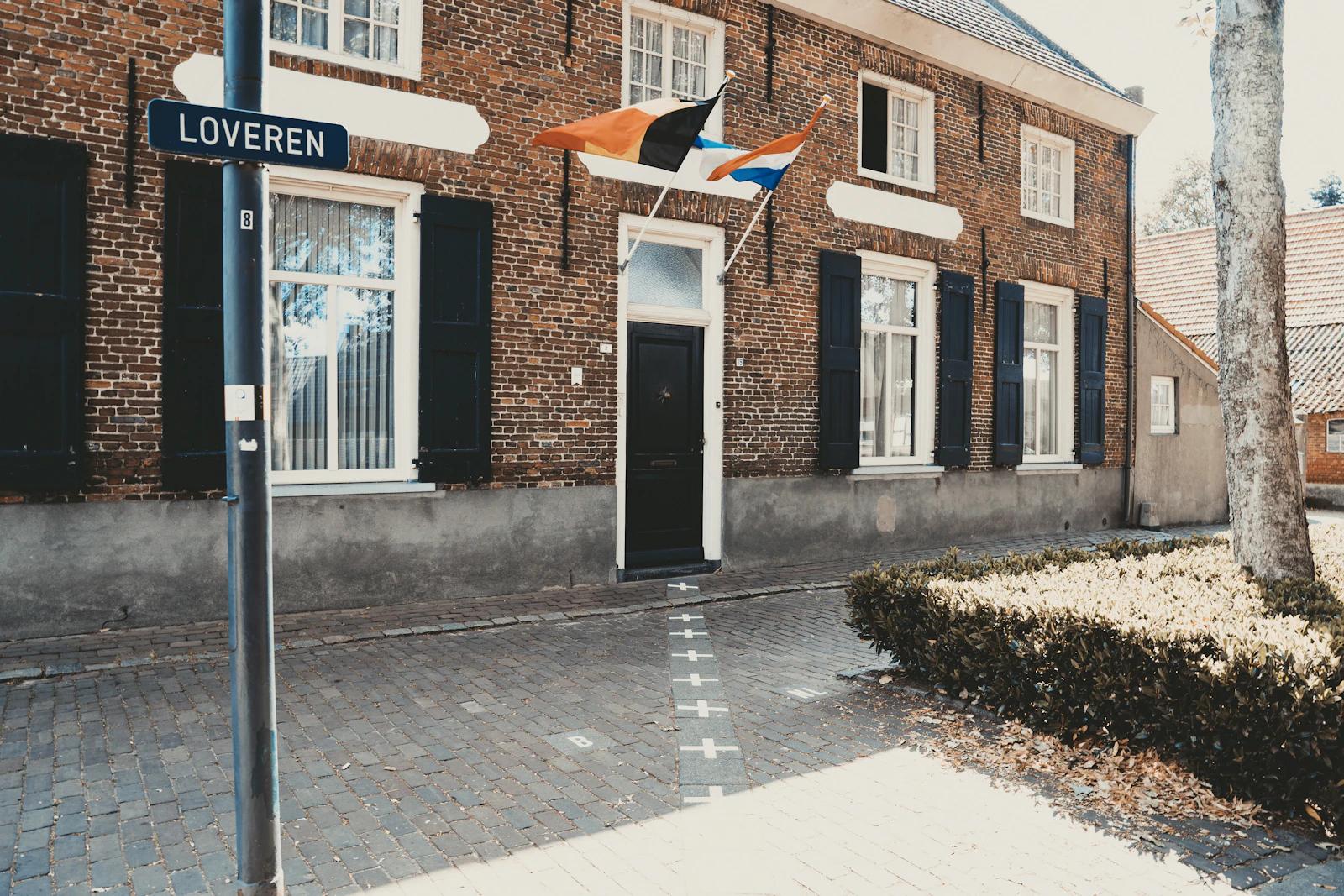
Baarle: the town where the border runs through houses
In Baarle, Belgium and the Netherlands are tangled in dozens of enclaves. The border cuts through homes and cafés, and the front door sets the address.
Off the beaten pathPortugal
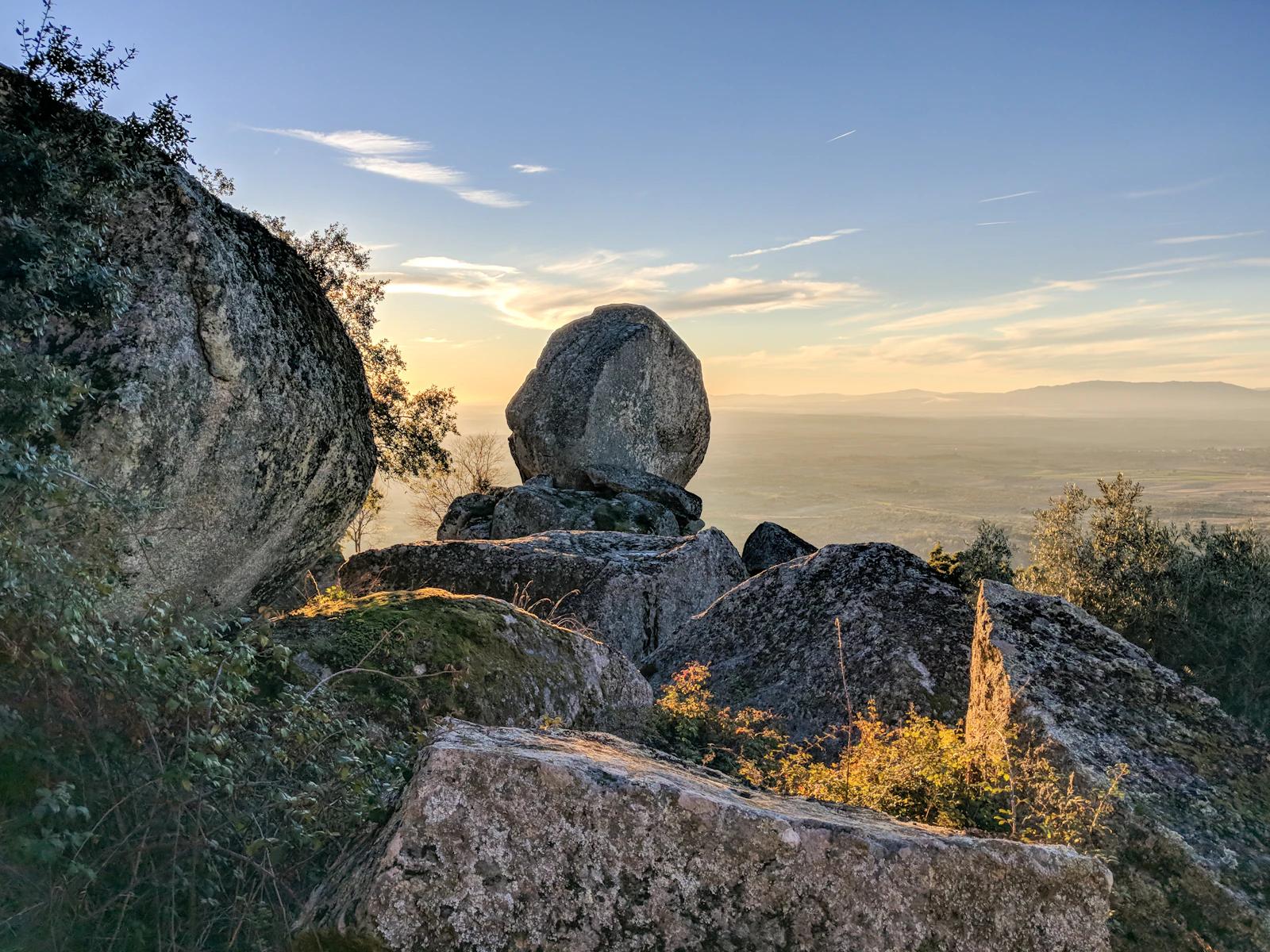
Monsanto, Portugal: the village built between boulders
In Monsanto, granite boulders serve as walls and even roofs. Why the village was built this way, the story of its 1938 title and how to visit.
Off the beaten pathWorldwide
Places that limit tourists: quotas, time slots and bans
Kyoto closed alleys, Machu Picchu has a daily cap and Maya Bay shuts for two months a year. The rules in each place and how to plan so you don’t miss out.